Farm & Site Diesel Tank Monitoring: Avoid Downtime and Spot Losses with the TEK 766
16th October 2026•By Neil Skoglund
TEK 766 Use Case
A combine standing idle in the middle of harvest, or a site full of plant waiting for fuel on the busiest day of the week, costs far more than the diesel itself. Yet on many farms and sites the bulk tank is still checked by someone remembering to dip it - and if fuel goes missing from a remote yard overnight, it often isn't noticed until the tank runs dry.
This guide is for farmers, contractors, construction sites, plant hire firms, quarries and yards running bulk diesel or red diesel (gas oil) tanks and site bowsers. It shows how a Tekelek TEK 766 fitted to the top of each tank and reporting into Trackpac gives you the level in litres on one dashboard, low-level alerts in time to book a delivery, and a history that shows where the fuel went. For other sensors on the farm, see our smart agriculture sensors guide.
How the TEK 766 Measures a Diesel Tank
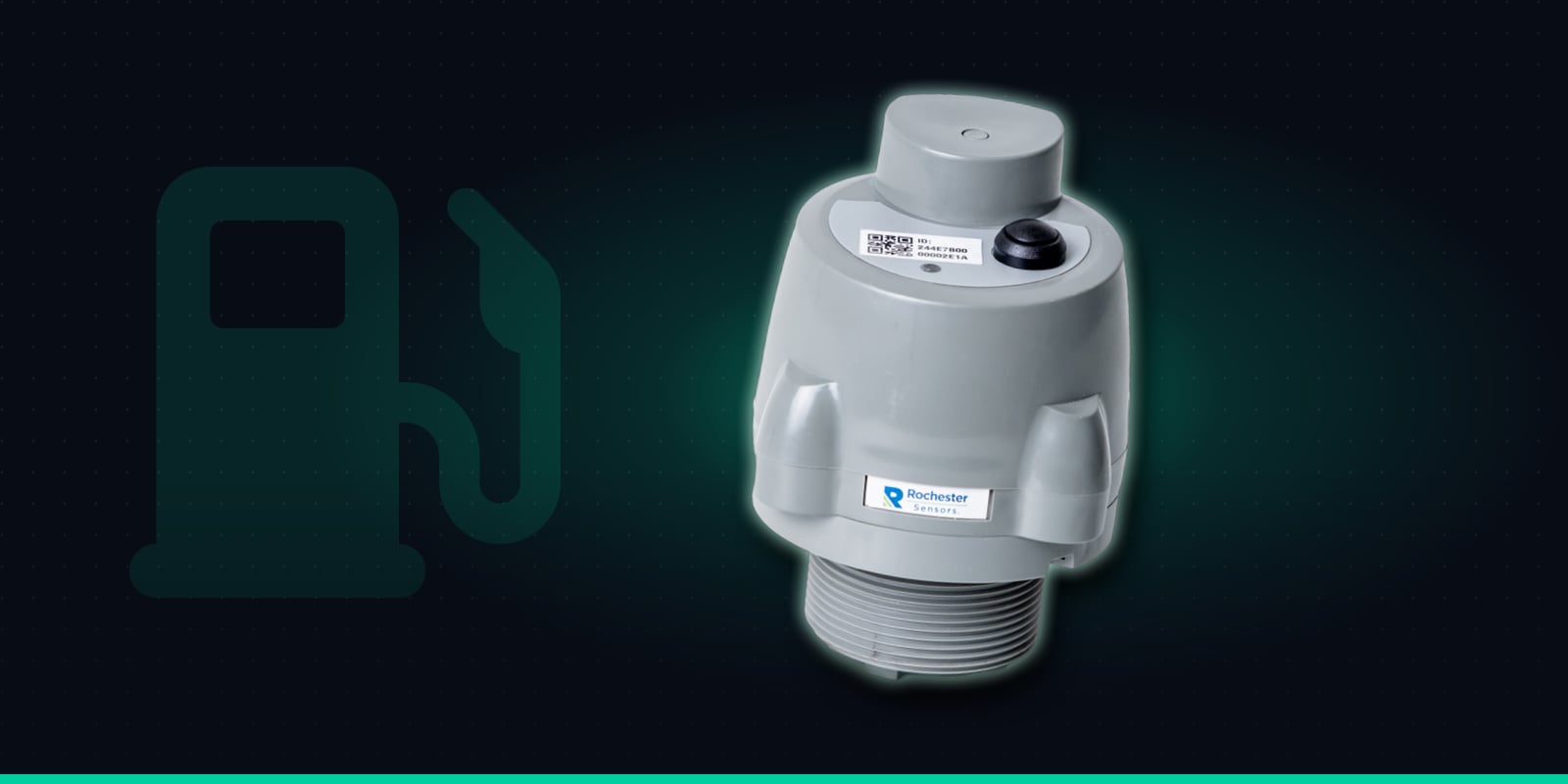
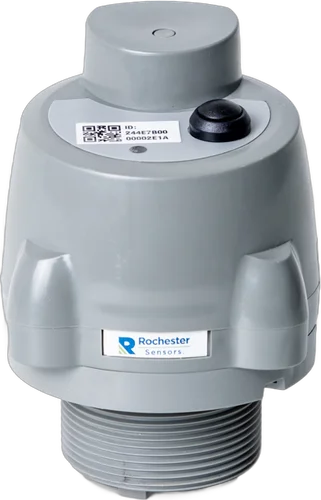
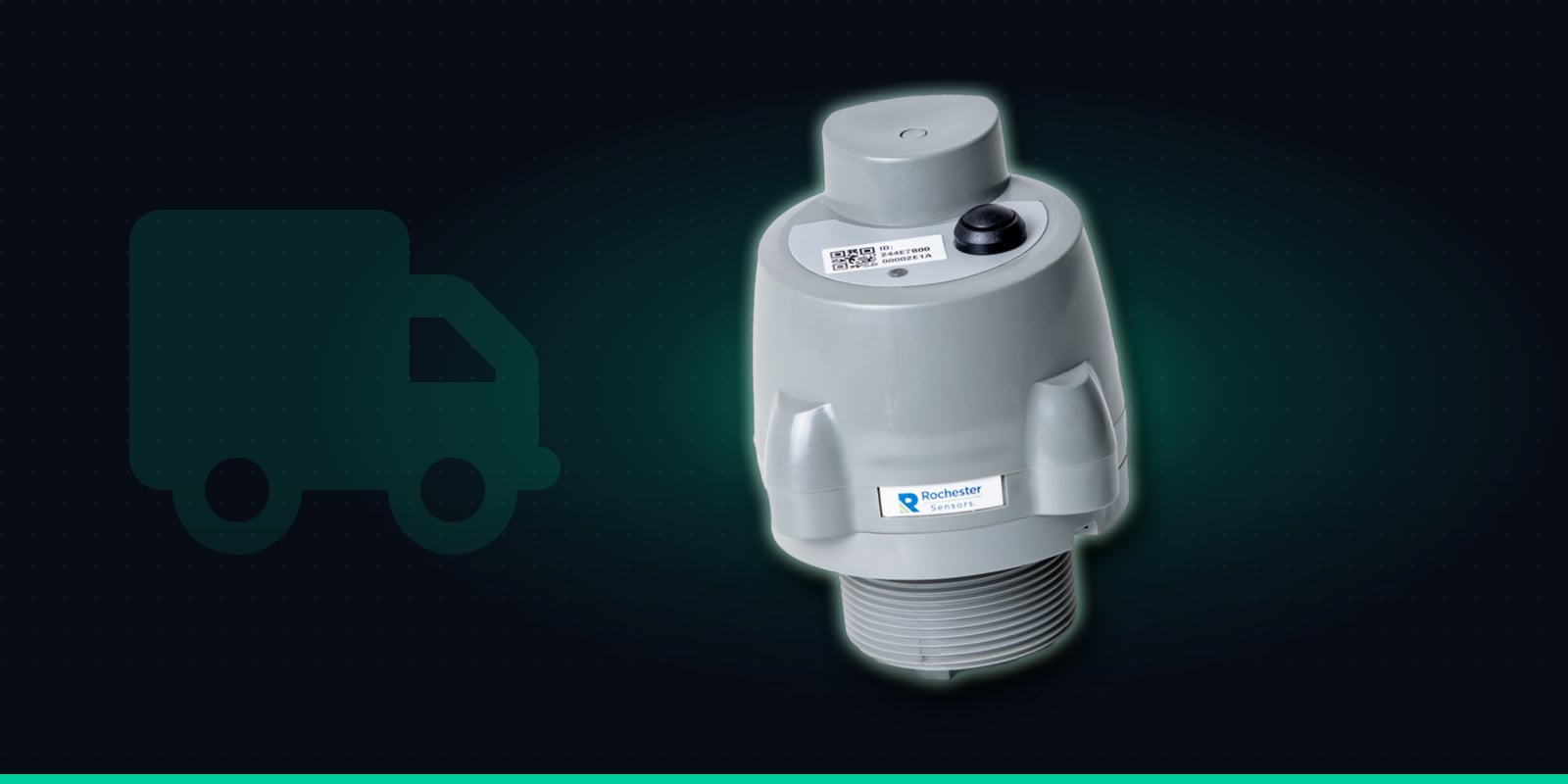
The TEK 766 screws into an opening on top of the tank and sends an ultrasonic pulse down to the fuel surface, timing the echo to work out the distance. It never touches the diesel, has its own long-life battery and sends readings over LoRaWAN, so there is no power to run to the tank and no SIM card to manage. Diesel and gas oil are both on the manufacturer's list of compatible liquids.
Ultrasonic level
Measures 12cm to 4m down to the liquid surface. Typically ±2cm accurate, 1cm resolution.
Non-contact
Sits on top of the tank and never touches the contents. Fits 1¼", 1½" or 2" BSP openings.
Compatible liquids
Water, diesel, kerosene and gas oil. Check other liquids with the manufacturer first.
Built for outdoors
IP67, UV-stabilised housing. Operates from -20 to 50°C.
Up to 14-year battery
Typical life with a reading every 15 minutes and a report every 6 hours.
LoRaWAN EU868
Long-range, configurable remotely - no Wi-Fi or SIM card per tank.
Specifications from the Tekelek TEK 766 datasheet. Battery life depends on how often the sensor reports.
Out of the box, the sensor takes a measurement every 15 minutes and reports to Trackpac every 6 hours - the settings the 14-year typical battery life is based on. That suits most stock-keeping, where a few updates a day is plenty to plan deliveries. The reporting interval can be changed remotely, and the sections below explain when a shorter one is worth the battery it uses.
Never Run Dry at Harvest or on a Busy Site Day
Running out of fuel is rarely about not having ordered enough - it is about not noticing in time. The tank goes down faster than usual during harvest, silage or a big earthmoving phase, the person who usually checks it is busy, and by the time anyone looks there isn't enough left to get through to the next delivery. Machines stop, operators stand around and work slips.
A low-level alert set in litres, not guesswork, gives you warning while there is still time to book a delivery. Set the threshold to cover your supplier's usual lead time at your busiest rate of use, not your average one, and add a second, lower "critical" rule that goes to more people. Because the alert arrives by email, SMS or push notification, it reaches you in the cab or on site rather than waiting for someone to check a screen.
Plan Deliveries & Track Consumption by Site
Order on the level, not the calendar
Fixed "top-up every fortnight" orders either arrive when the tank is still half full or too late in a busy spell. With the level in litres on your dashboard, you order when it is actually needed and can check there is room for a full load before the tanker turns up.
Compare fuel used with work done
The history graph shows how much each tank went down week by week. Export it and set it against hectares worked, machine hours or the stage of a build, and unusual weeks stand out - a machine that needs attention, a job that is using more fuel than priced, or litres that can't be accounted for.
Spotting Fuel Loss From Remote Yards
Bulk diesel sitting in an unattended yard or field corner is an easy target, and a slow leak from a damaged pipe or fitting is costly and polluting. Either way, the sooner you know the level has dropped when nobody was working, the sooner you can act. Every reading is kept in the tank's history, so a drop overnight or over a weekend - when the tank should have stayed flat - is plain to see.
Be realistic about timing. With the default 6-hour reporting interval, a drop shows up at the next report, not the moment it happens - so you might find out the next morning rather than in the middle of the night. On tanks you consider high-risk, set a shorter reporting interval to get warning sooner, accepting that the battery won't last as long. On a low-risk tank in a locked yard, the default is usually the better balance.
Trackpac doesn't decide that a drop is theft - it tells you the level changed and when. Pair the sensor with the alert rules below and your own checks, and you have evidence of when fuel went missing rather than a vague sense that the tank empties faster than it should.
Fitting the TEK 766 to a Tank or Bowser
Most bulk diesel tanks and bowsers have a spare threaded opening on top that the sensor can use. The TEK 766 fits 1¼", 1½" or 2" BSP threads, with 2" recommended, and measures from 12cm to 4m below the sensor, which suits most farm and site tanks.
1
Order "Trackpac Ready", scan and tag
Buy the TEK 766 from Hexaspot with the Trackpac Ready option, scan its QR code in the Trackpac app and give it a clear name - "North yard - red diesel" means far more in an alert than a serial number. Tag it by site or farm.
2
Choose an opening with a clear view of the fuel
Use a 2" BSP opening on top of the tank where possible, fitted with the supplied gasket. The beam spreads out by up to 30°, so pick a spot away from the fill pipe, suction line, gauge float and tank walls, or the sensor may read an echo off a fitting instead of the fuel surface.
3
Enter the tank dimensions for litres
Enter the tank's dimensions and capacity in Trackpac and it converts the distance reading into fill level and litres. Measure carefully and check the first readings against a dip or the next delivery note. The sensor can't read the top 12cm directly beneath it, so don't set a "full" target any closer than that.
4
Check coverage where the tank lives
The vendor quotes up to around 15km of LoRaWAN range in ideal conditions, but real range depends on terrain and buildings, and a tank inside a steel container or shed will reach less far. Confirm the first reading arrives before you leave. For bowsers that move between sites, coverage matters at every site they are parked on.
Alert Rules for Diesel Tanks
Trackpac can alert on fill level, litres, distance, temperature and battery, by email, SMS or push notification. Rules can target tags, so a new tank tagged with a site picks up that site's rules automatically. A few rules cover most of what a farm or site needs:
Low level: book a delivery
A below-threshold rule in litres, set to cover your supplier's lead time at peak use, sent to whoever orders fuel.
Critical level: warn the managers
A second, lower threshold that also goes to the farm manager or site manager, so work can be planned around the fuel that's left.
Out-of-hours drop: check the yard
A below-threshold rule with a time window alerts if the level falls past your set point overnight or at weekends. Smaller drops won't cross it, so check the history graph too.
Low battery: plan a replacement
Especially worth having on tanks set to report more often, where the battery won't last as long as the 14-year typical figure.
A trigger-lock interval stops a low tank sending the same alert every report, and a "resolved" message confirms when the level is back up after a delivery. The history shows how far the level rose, which you can check against the delivery note.
Every Site and Tank on One Dashboard
Tagged by site, shared read-only
Tag tanks and bowsers by farm, site or contract to see every level at a glance. Each site manager can have a read-only dashboard link for their own tanks - they see the levels and history without being able to change anything.
Readings into your own systems
Webhooks forward readings and alerts to other systems, such as a fuel management or accounts package, so usage can be allocated to jobs or cost centres without retyping dip readings.
The Trackpac mobile app puts every tank on your phone, and reports and exports give you a record of levels and usage for each site. The TEK 766 reports how much fuel is in a bowser, not where it is - if you also want to follow bowsers and plant around, see our guide to LoRaWAN asset tracking.
One TEK 766 per tank or bowser, fitted to an opening on top - reporting litres to a Trackpac dashboard with low-level and out-of-hours alerts to your phone.
€164.46 ex VAT from Hexaspot, our sister company in the Connect IoT group. VAT is added at checkout based on your country.
Choose the Trackpac Ready option and the sensor arrives pre-registered on Trackpac - scan the QR code and it's live on your dashboard.
Trackpac covers connectivity, dashboard, alerts and data storage from £15 / €18 per sensor per year.
It shows you when the level drops, which is what you need to spot a loss. The sensor measures every 15 minutes, but with the default settings it only reports to Trackpac every 6 hours, so an overnight drop appears at the next report rather than the moment it happens. On high-risk tanks you can set a shorter reporting interval for faster warning, at the cost of shorter battery life. Trackpac doesn't decide whether a drop is theft: an out-of-hours alert catches a level that falls past your threshold, and the history graph shows exactly when any drop happened so you can check.
Does the TEK 766 work with red diesel and gas oil?↓
Yes. The Tekelek datasheet lists water, diesel, kerosene and gas oil as compatible liquids, so white diesel and red diesel (gas oil) tanks are both covered. The sensor sits on top of the tank and measures by ultrasound, so it never touches the fuel. For any other liquid, such as lubricants, coolants or waste oil, confirm compatibility with the manufacturer before fitting one.
Can I fit a TEK 766 to a bowser that moves between sites?↓
Yes, as long as the bowser has a suitable threaded opening on top and the beam has a clear path to the fuel. Two things to bear in mind: the reading needs a reasonably flat liquid surface, so readings taken while the bowser is being towed aren't meaningful - judge it by the readings once it's parked. And it needs LoRaWAN coverage wherever it's parked, so check each site before relying on it. The TEK 766 reports level, not location; if you also need to know where a bowser is, that takes a separate GPS tracker.
How accurate is the litres figure in Trackpac?↓
The sensor measures the distance down to the fuel, typically to within ±2cm. Trackpac converts that into fill level and litres using the tank dimensions you enter, so the litres figure is only as good as those dimensions. Measure the tank carefully, check the first readings against a dip or a delivery note, and remember there is a 12cm zone directly below the sensor where it can't measure.
Where can I buy the TEK 766 for use with Trackpac?↓
The Tekelek TEK 766 is sold by Hexaspot, Trackpac's sister company in the Connect IoT group, for €164.46 ex VAT, with VAT added at checkout based on your country. Choose the 'Trackpac Ready' option and the sensor is pre-registered on Trackpac, so you only need to scan its QR code. A Trackpac subscription from £15 / €18 per sensor per year covers connectivity, the dashboard, alerts and data storage.