Remote Tank Monitoring for Fuel Distributors: Deliver on Real Levels with the TEK 766
16th October 2026•By Neil Skoglund
TEK 766 Use Case
Most delivery schedules are built on estimates: past orders, typical usage, the weather and a phone call when a customer notices the gauge is low. When the estimate is wrong, the truck either turns up to a tank that only takes a fraction of a load, or the office ends up arranging an emergency run for a customer who has already run out. Both cost time, fuel and goodwill.
This guide is for heating oil and fuel distributors, delivery companies, and lubricant and AdBlue suppliers with tanks on customer sites. It shows how a Tekelek TEK 766 ultrasonic sensor on each customer tank, reporting into Trackpac, gives your office the real level in every tank - so you can plan drops around what customers actually have left, offer managed top-up as a service, and keep hundreds of tanks on one dashboard.
A Level Reading From Every Customer Tank
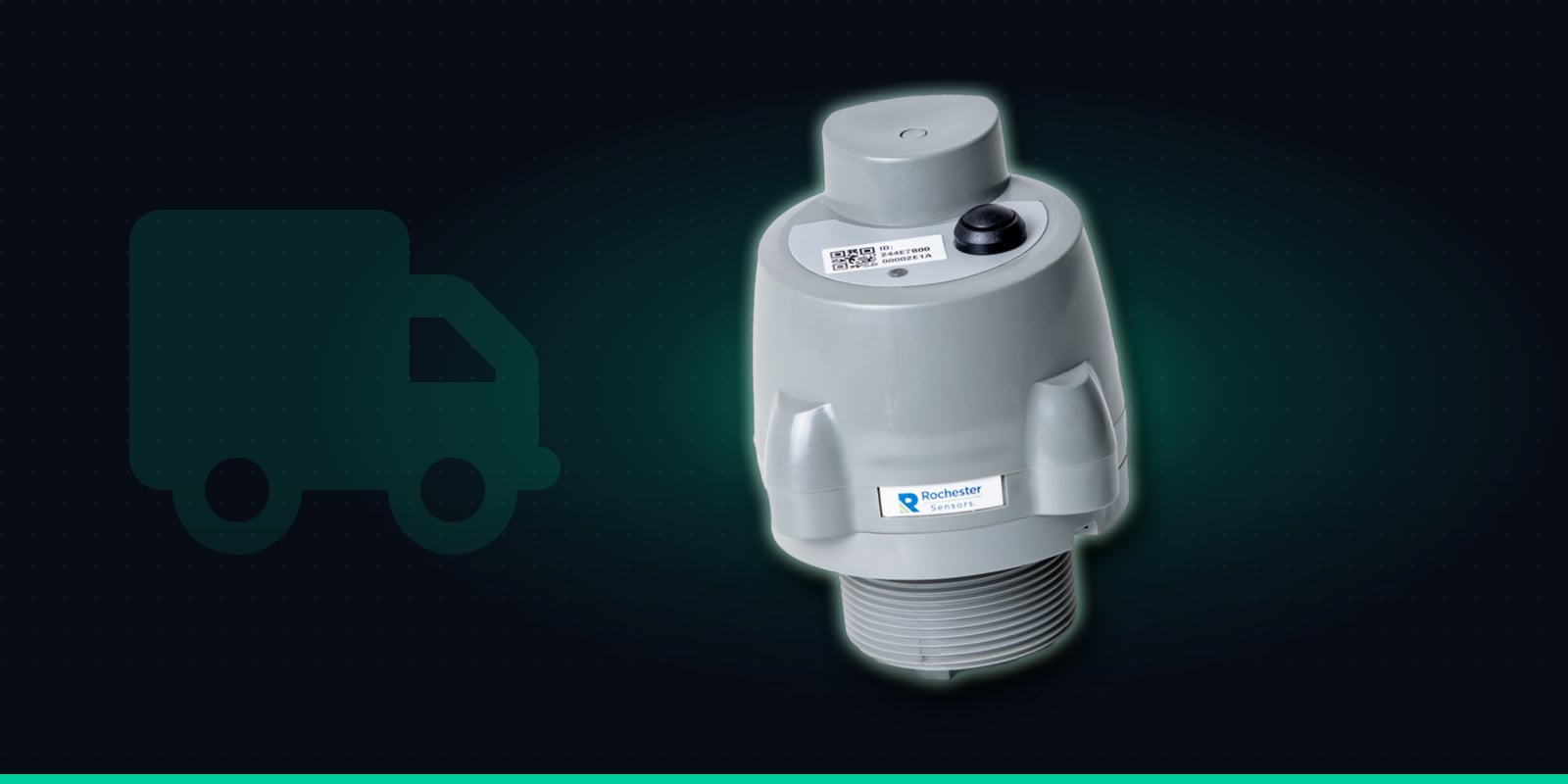
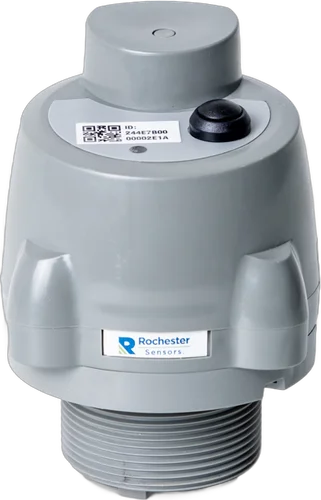
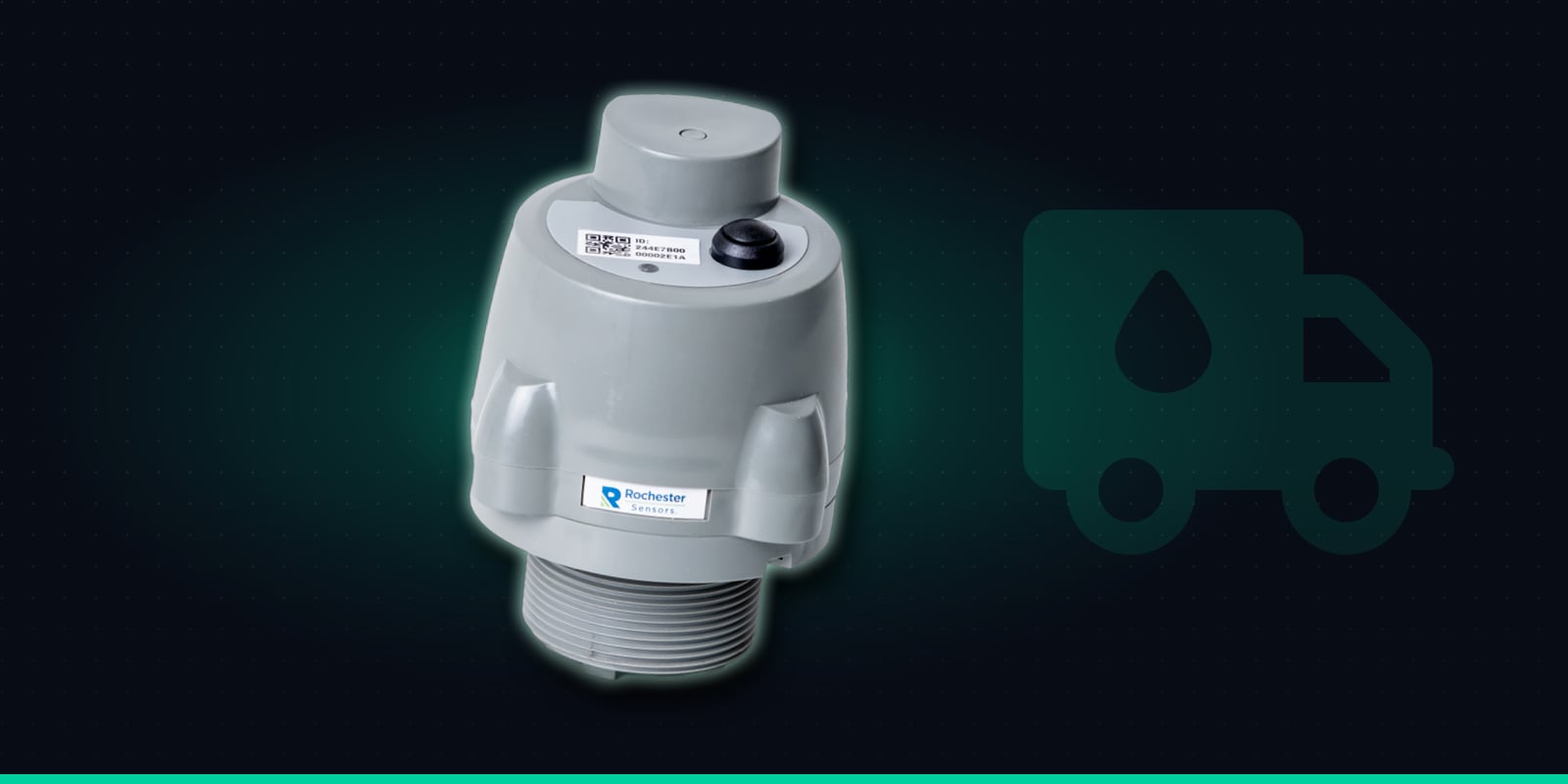
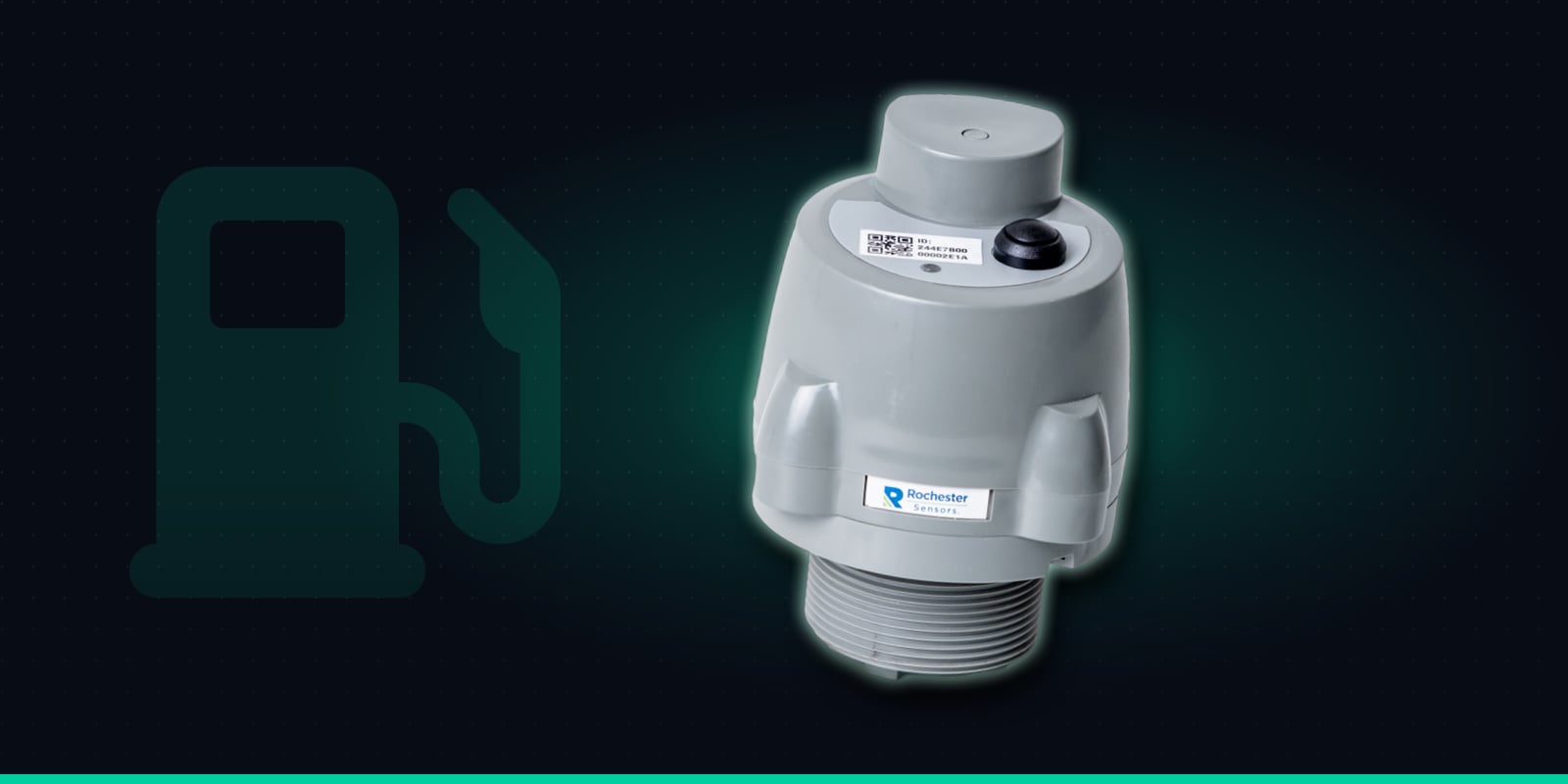
The TEK 766 screws into an existing opening on top of the tank and uses ultrasound to measure the distance down to the liquid surface. It never touches the contents, runs on its own battery and sends its readings over LoRaWAN, so there is no Wi-Fi to borrow and no SIM card per tank.
Ultrasonic level
Measures 12cm to 4m down to the liquid surface. Typically ±2cm accurate, 1cm resolution.
Non-contact
Sits on top of the tank and never touches the contents. Fits 1¼", 1½" or 2" BSP openings.
Compatible liquids
Water, diesel, kerosene and gas oil. Check other liquids with the manufacturer first.
Built for outdoors
IP67, UV-stabilised housing. Operates from -20 to 50°C.
Up to 14-year battery
Typical life with a reading every 15 minutes and a report every 6 hours.
LoRaWAN EU868
Long-range, configurable remotely - no Wi-Fi or SIM card per tank.
Specifications from the Tekelek TEK 766 datasheet. Battery life depends on how often the sensor reports.
Enter each tank's dimensions and capacity in Trackpac and the distance reading is converted into fill level as a percentage and volume in litres - the figures your drivers and planners already work in. Alongside the level, Trackpac shows the sensor's temperature and battery reading, so you can see at a glance which units will need attention.
Diesel, kerosene and gas oil are on the manufacturer's datasheet. If you supply lubricants, AdBlue, coolants or waste oil, Hexaspot lists those too, but confirm compatibility with the manufacturer (Tekelek, now part of Rochester Sensors) before rolling out - particularly for corrosive or hazardous liquids. The TEK 766 is not ATEX certified, so keep it off tanks in hazardous areas.
Plan Drops Around Real Levels, Not Estimates
With a level reading from every monitored tank, your planners start the day knowing who needs fuel and how much each tank can take, instead of working from a forecast and hoping it holds.
Fewer half-empty drops
Visit tanks when they can take a worthwhile delivery, not when the calendar says they might. Knowing the space available in litres also helps you load the truck for the round.
Fewer emergency runs
A tank that reaches its reorder level sooner than expected triggers an alert, so it can join a planned round before it becomes an urgent call-out.
Customers who don't run out
Customers no longer need to dip the tank or remember to order. Fewer run-outs means fewer awkward phone calls and fewer reasons to shop around.
Routes built on data
Group the tanks that need fuel by area and you have the starting point for a tighter round, with a buffer of nearby tanks that can be topped up on the way.
Trackpac supplies the levels and alerts; the routing itself happens in your own system. Webhooks can forward readings and alerts to your ordering, ERP or route-planning software as they arrive, and reports and exports let you pull the current picture into whatever your office already uses to build rounds. Trackpac doesn't plan routes or place orders itself - it gives you, or your systems, the numbers to do it.
Offer Managed Top-Up as a Service
Once you can see a customer's level remotely, you can offer to manage it for them: an automatic top-up or vendor-managed inventory arrangement where you agree a level at which you deliver, and the customer simply stops thinking about ordering. For commercial customers with generators, plant or vehicle fleets, and for domestic customers who would rather not check a tank in the garden, that is a service worth paying for - and a reason to stay with you.
How you structure it is up to you: who owns the sensor, what level triggers a delivery, and how pricing works. Trackpac's part is the level data, the alert when a tank reaches the agreed point, and the history that shows when and how much was delivered. Keep the 12cm dead zone below the sensor in mind when you agree fill targets - a level that close to the sensor isn't one it can measure.
One Dashboard Across Hundreds of Customer Tanks
Tag by route, area & customer type
Tags group tanks however your business runs: by delivery route, depot area, customer type such as domestic, farm or commercial, or by product. Filter the dashboard to one round, or apply alert rules to a whole tag so new sensors inherit them the moment they're tagged.
Read-only links for customers
Send a customer a read-only dashboard link to their own tank and they can check the level and history whenever they like, without being able to change anything - a visible extra that sets your service apart.
Levels on the move
The Trackpac mobile app lets planners, depot managers and drivers check a tank's level and receive push alerts away from the office.
Reports & exports for account reviews
Export level history per customer or per tag for account reviews and managed top-up contracts - a clear record of how the tank was kept topped up over the period.
Alert Rules for the Delivery Office
Trackpac can alert on fill level, volume, distance, temperature and battery, by email, SMS or push notification. Because rules can target tags, you set them once per route or customer type rather than once per tank. A few rules cover most of what the office needs:
Below reorder level: schedule a drop
A below-threshold rule on fill level or litres, set from each customer's usage and lead time, puts the tank on the list for the next suitable round.
Critically low: escalate
A second, lower threshold sends an SMS to the duty planner, so a tank that slipped through doesn't become a run-out. Use an out-of-hours rule if someone covers evenings and weekends.
Forward alerts to your systems
Send the same alerts by webhook to your ordering or planning software, so a low tank can raise a job there without someone re-keying it.
Battery low: plan a site visit
A low-battery rule across all sensors means a unit that needs attention can be dealt with on a delivery you were making anyway.
A trigger-lock interval stops a low tank sending an alert with every report, and a "resolved" message confirms when the level is back above the threshold - usually because your driver has been.
Consumption History for Forecasting & Spotting Anomalies
Every report adds to a history graph for each tank. Over a season you build up a clear picture of how fast each customer uses fuel, how that changes with the weather, and how much each delivery actually put in - a far better basis for forecasting and for setting reorder levels than an estimate from past orders alone.
Unusual drops are worth a look
A level that falls much faster than the customer's normal pattern, or drops when the site should be idle, can point to a leak or theft. Trackpac shows the drop on the graph and alerts if it crosses a threshold; deciding what it means, and what to do about it, is up to you and the customer. Catching a leak early matters - lost fuel is costly and polluting.
Be realistic about timing. At its default settings the TEK 766 measures every 15 minutes but reports every 6 hours, which is what gives the typical battery life of up to 14 years. A change in level shows up at the next report, not the moment it happens. The reporting interval can be changed remotely, so for high-value or higher-risk tanks you can report more often - accepting a shorter battery life on those sensors.
Rolling Out Across Your Customer Base
Fitting sensors to hundreds of tanks only works if each install is quick and the sensors then look after themselves. With the default reporting interval, a battery rated for up to 14 years means very few return visits once a sensor is fitted.
1
Order "Trackpac Ready" units
Buy the TEK 766 from Hexaspot with the Trackpac Ready option. Each sensor arrives pre-registered on Trackpac, so there is no device setup to do back at the office.
2
Fit to an opening on top of the tank
The sensor fits female 1¼", 1½" or 2" BSP threads, with 2" recommended, and a gasket is included. The ultrasonic beam spreads up to 30°, so choose an opening with a clear view down to the liquid, away from internal pipes, ladders and walls. It measures from 12cm to 4m below the sensor, which suits tanks up to around 4m deep.
3
Scan, name and tag on site
The installer scans the QR code in the Trackpac app and names the tank - a customer reference or account number reads far better in an alert than a serial number. Add tags for route, area and customer type, and the tag's alert rules apply straight away.
4
Enter tank dimensions and check the first reading
Add the tank's dimensions and capacity so Trackpac can show level in percent and litres. Take a dip or gauge reading at installation and compare it with the first reported level.
Coverage Across a Delivery Area
LoRaWAN is built for long range and low power. The vendor quotes up to around 15km in ideal conditions, but real range depends on terrain and buildings, and a tank inside a metal enclosure or below ground will reach less far. Customer tanks are spread across towns, villages and open countryside, so check coverage across your delivery area before a large rollout, and fit a pilot batch in your hardest locations first.
Read what to check about LoRaWAN coverage before you plan, and talk to us about coverage where the gaps are. Pricing is per sensor per year, so the cost scales in line with the number of tanks you monitor - see Trackpac pricing for the details.
Get Started
Put a sensor on every customer tank
One TEK 766 per customer tank, fitted and scanned on site - reporting real levels to a single Trackpac dashboard, with alerts and webhooks into the systems you already use to plan deliveries.
€164.46 ex VAT from Hexaspot, our sister company in the Connect IoT group. VAT is added at checkout based on your country.
Choose the Trackpac Ready option and the sensor arrives pre-registered on Trackpac - scan the QR code and it's live on your dashboard.
Trackpac covers connectivity, dashboard, alerts and data storage from £15 / €18 per sensor per year.
Does Trackpac plan delivery routes or place orders automatically?↓
No. Trackpac gives you the tank levels, history and alerts; your own ordering, ERP or route-planning system does the planning. Webhooks can forward readings and alerts to that system as they arrive, and reports and exports let you pull levels across all your customer tanks into whatever tool your office already uses to build routes and schedule drops.
How quickly will a sudden drop in a customer's tank show up?↓
At the next report. At its default settings the TEK 766 measures every 15 minutes but sends a LoRaWAN report every 6 hours, which is what gives the typical battery life of up to 14 years. A leak or theft therefore shows up in Trackpac within hours rather than instantly. The reporting interval can be changed remotely, so you can report more often on tanks where faster detection matters, accepting a shorter battery life on those sensors.
Can I use the TEK 766 on AdBlue, lubricant or waste oil tanks?↓
The Tekelek datasheet lists water, diesel, kerosene and gas oil (heating oil) as compatible liquids. Hexaspot also lists lubricants, AdBlue, coolants, waste oil and wastewater, but for anything outside the datasheet list - especially corrosive or hazardous liquids - confirm compatibility with the manufacturer (Tekelek, now part of Rochester Sensors) before you fit sensors across a customer base. The TEK 766 is not ATEX certified, so it is not for hazardous-area installations.
Can my customers see their own tank levels?↓
Yes. You can create a read-only dashboard link for a customer's tank or tanks and send it to them. They can follow their level and history without being able to change anything, while you keep the full fleet view, alert rules and settings in your own Trackpac account.
What does it cost to monitor customer tanks with Trackpac?↓
The Tekelek TEK 766 is sold by Hexaspot, Trackpac's sister company in the Connect IoT group, for €164.46 ex VAT, with VAT added at checkout based on your country. Choose the 'Trackpac Ready' option and each sensor arrives pre-registered on Trackpac, so installers only need to scan its QR code. A Trackpac subscription from £15 / €18 per sensor per year covers connectivity, the dashboard, alerts and data storage.