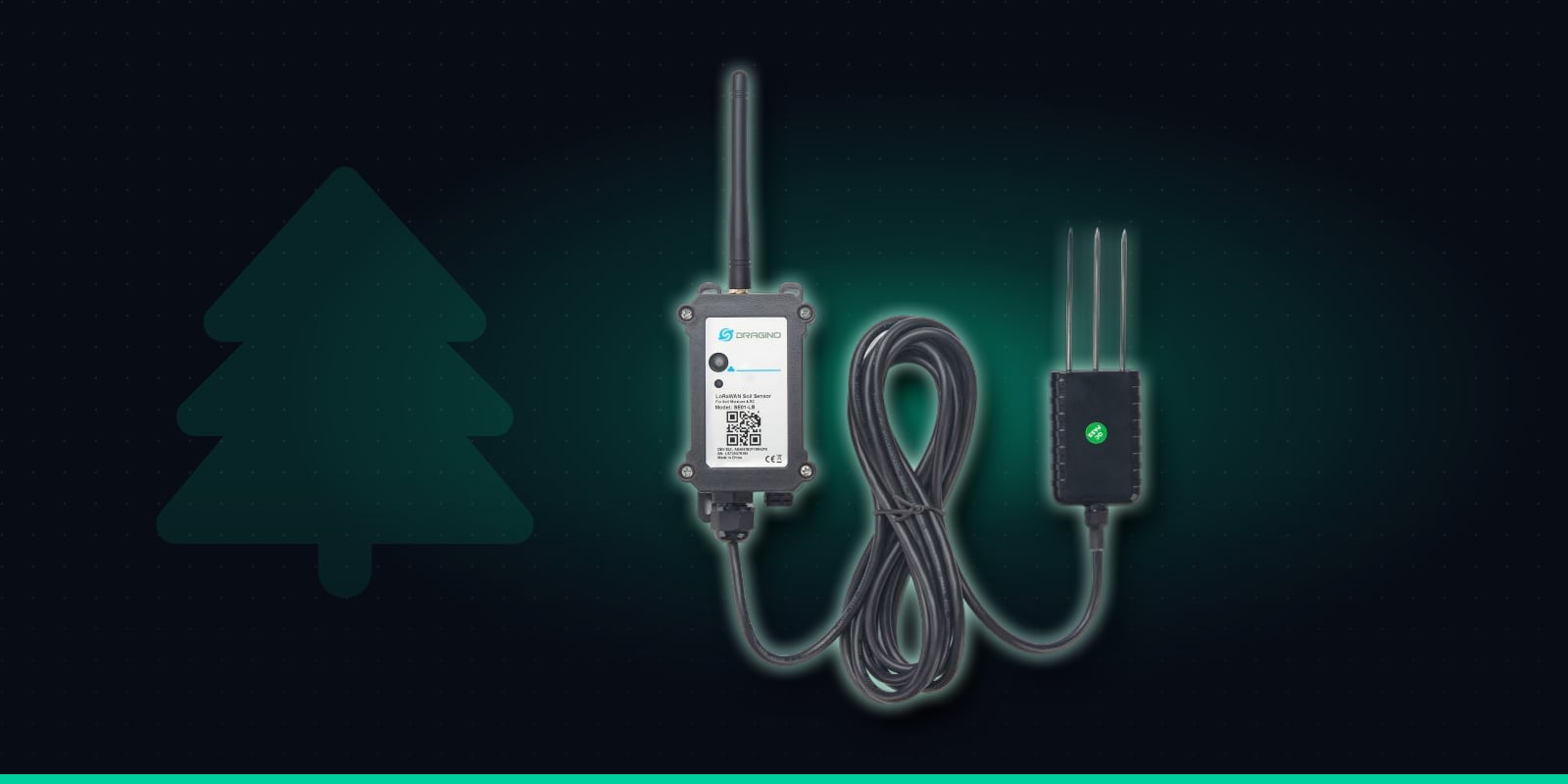
Field Crops: Soil Temperature for Sowing & Moisture for Field Work with the SE01-LB
15th October 2026•By Neil Skoglund
SE01-LB Use Case
Drilling is a bet on the weather. Go too early and seed sits in cold ground, emerging slowly and unevenly; wait too long and you lose growing days you won't get back. The same judgement runs all season: is the land dry enough to travel on without compacting it, and is the irrigated crop actually short of water? A soil thermometer and a spade answer that for one spot on one morning. A buried sensor answers it around the clock.
This guide shows how arable and vegetable farmers, agronomists and contractors can use the Dragino SE01-LB with Trackpac to time drilling from soil temperature at seed depth, judge when land is fit to work, schedule irrigation and compare conditions across a farm. For the wider picture, from leaf wetness to silo levels, start with our smart agriculture sensors overview.
Why the SE01-LB Suits Field Crops
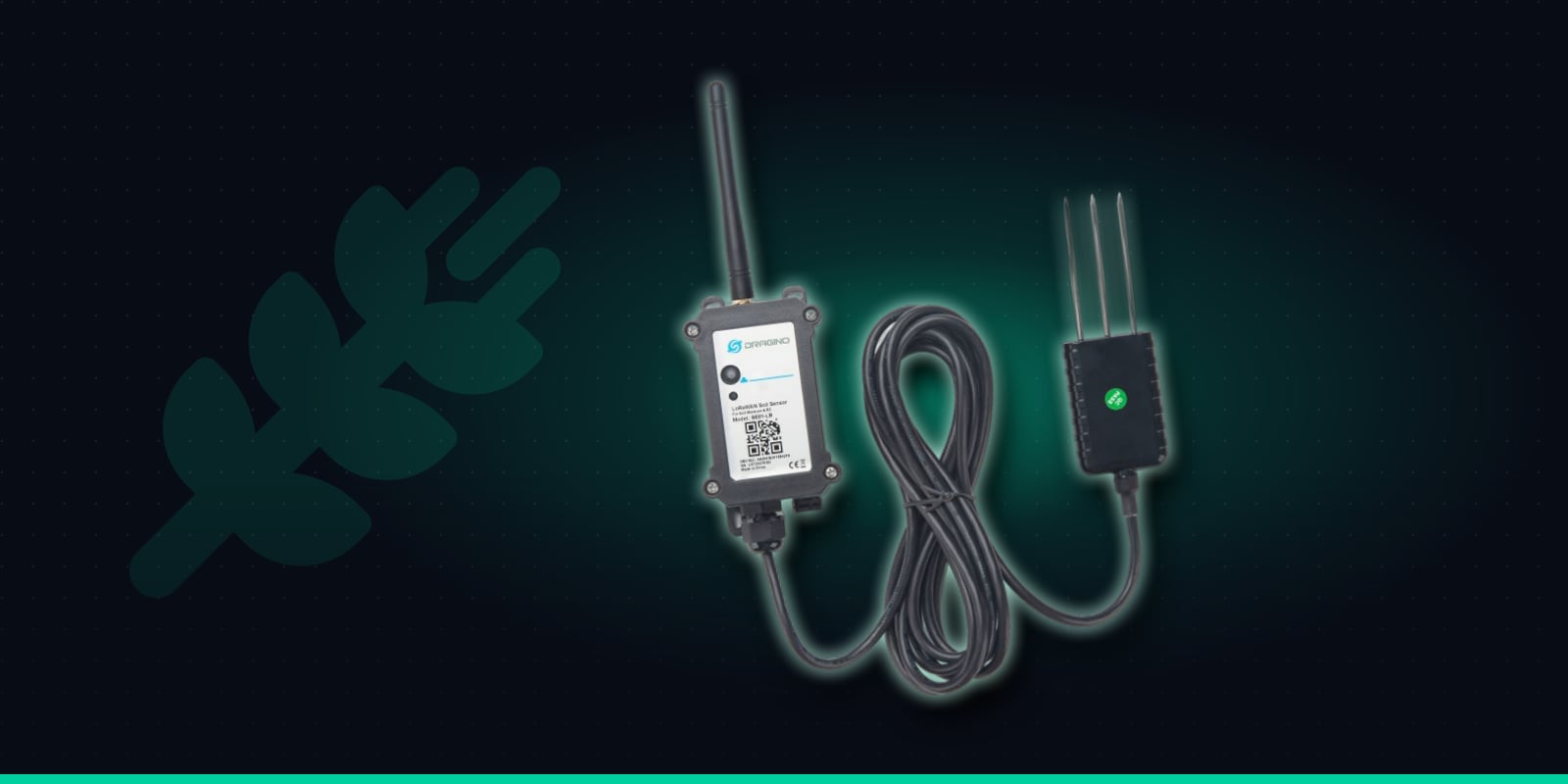
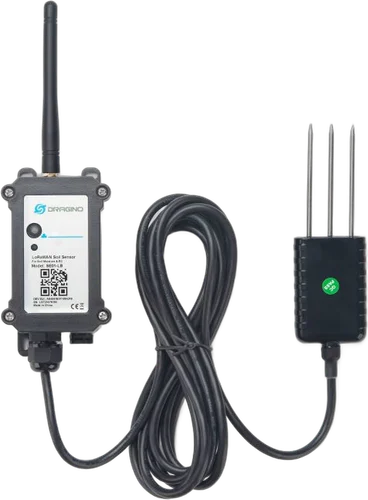
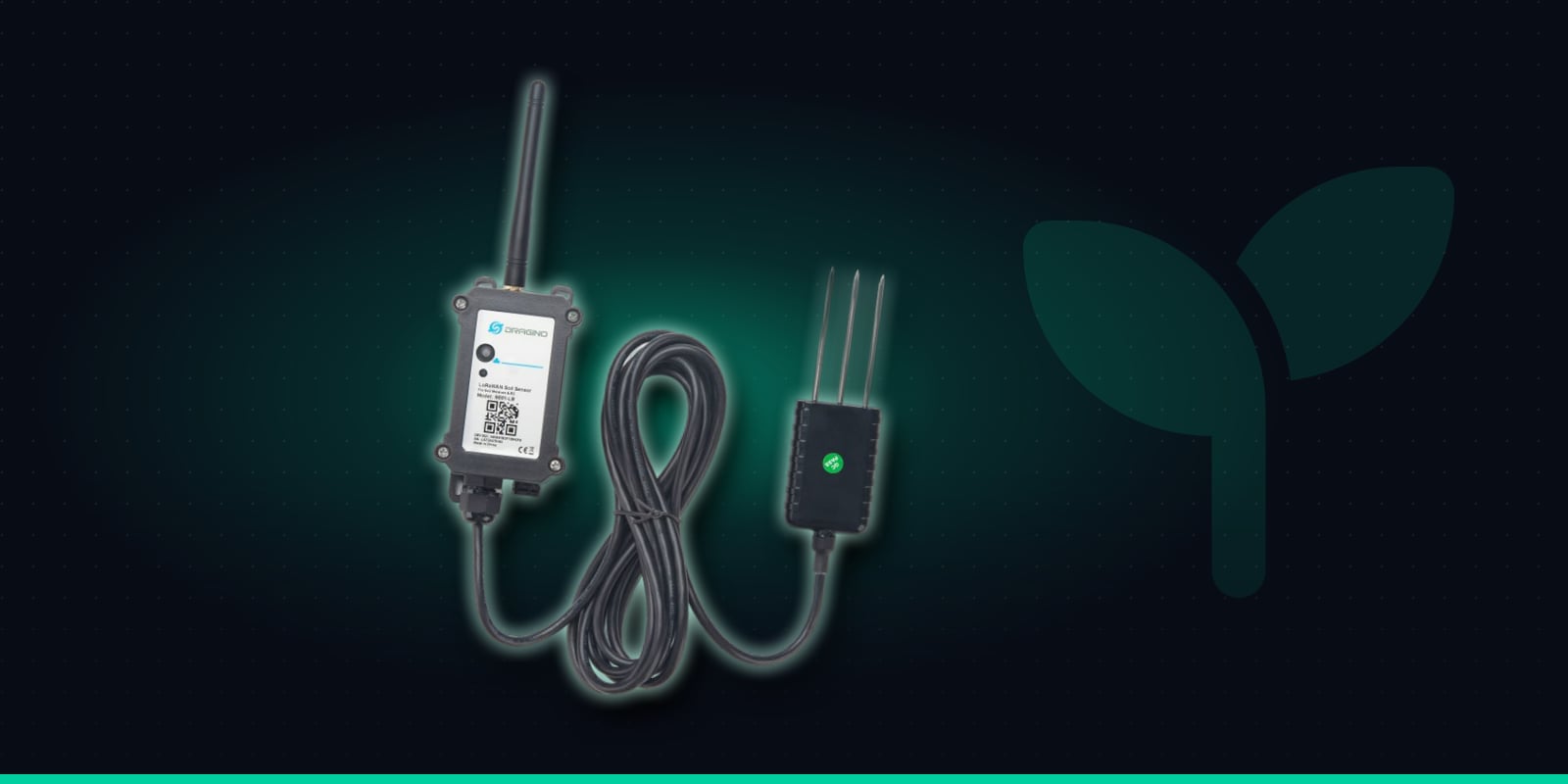
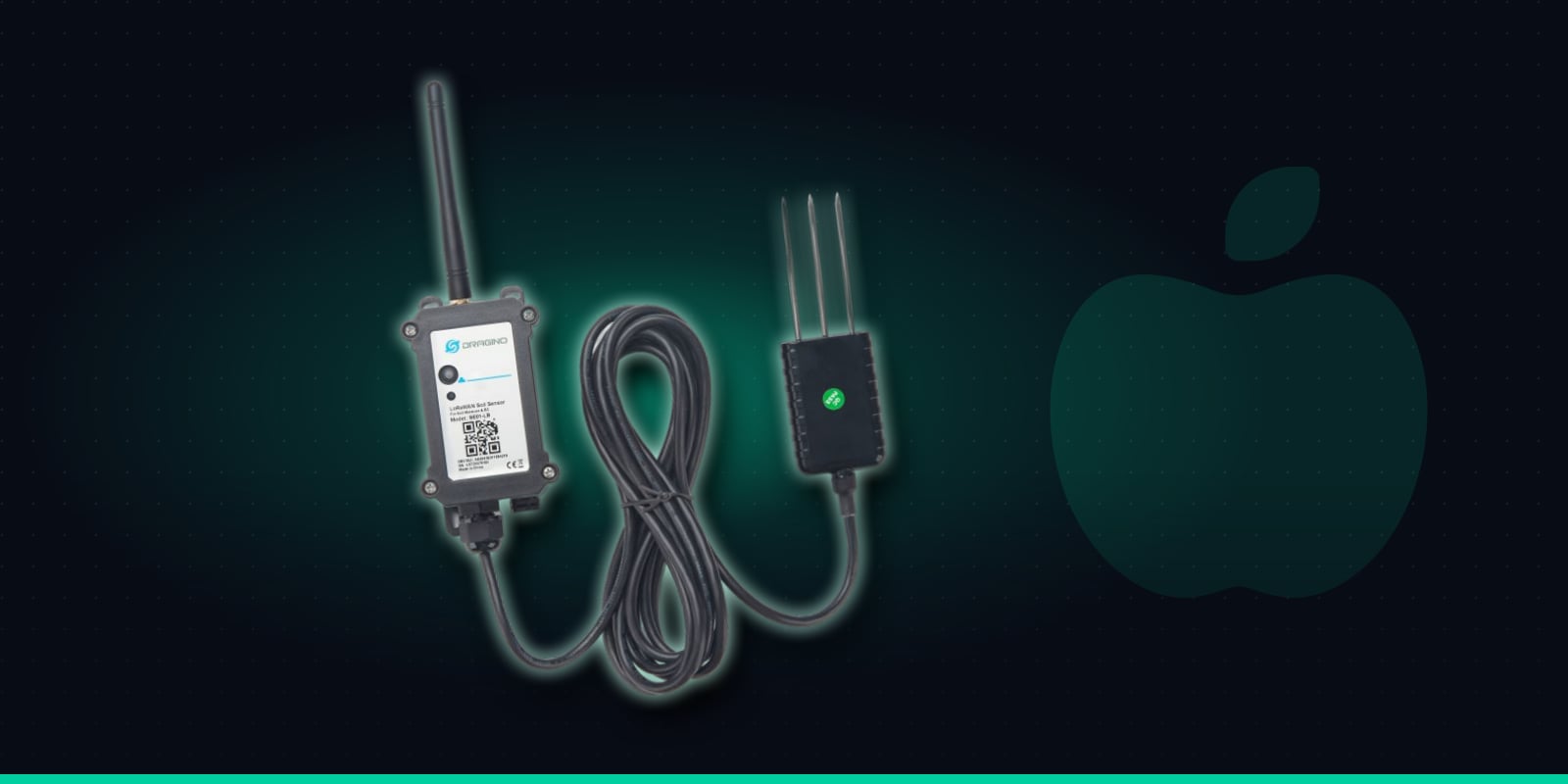
Field sensors live a hard life: out in the weather, far from mains power and well beyond Wi-Fi. The SE01-LB is built for that. A three-pin stainless steel probe goes in the ground on a cable, connected to a weatherproof IP66 enclosure that holds the battery and LoRaWAN radio. From that one probe it reports soil moisture, soil temperature and conductivity (EC), using FDR measurement with temperature and EC compensation.
It's factory calibrated for mineral soils, which covers most arable and vegetable ground. On peaty soils, calibrate the readings against your own measurements or treat them as relative trends. And if a sensor in a far corner loses its link for a while, the datalog stores readings and sends them once it reconnects, so a dropout doesn't have to leave a gap in the season's record.
Soil moisture
0 to 100% volumetric water content. ±3% accuracy up to 53%, ±5% above.
Soil temperature
-40 to 85°C. Better than ±0.3°C between -10 and 50°C.
Soil conductivity (EC)
0 to 20,000 µS/cm, temperature compensated, 2% full-scale accuracy.
Built for outdoors
Weatherproof IP66 enclosure with a buried three-pin probe on a cable.
8500mAh battery
Rated for up to 5 years, depending on reporting interval.
Datalog
Stores readings when out of coverage and sends them once it reconnects.
Specifications from Dragino's SE01-LB documentation. Factory calibrated for mineral soils.
Soil Temperature: Drilling When the Ground Is Ready
Seed responds to the temperature of the soil around it, not the air temperature on the forecast. Each crop has its own rule of thumb - maize, for example, is commonly drilled once soil is around 8-10°C and rising - and your agronomist or seed supplier will have guidance for the varieties you grow. What the SE01-LB adds is a continuous reading at the depth that matters, accurate to better than ±0.3°C between -10°C and 50°C.
Near the surface, soil temperature swings between day and night, so a single afternoon reading can flatter the ground. Read the trend instead:
Watch the overnight low and the morning reading over several days, not the daily peak.
Look for a run of days where the line keeps climbing, rather than one mild spell ahead of a cold snap.
Compare fields. Lighter, free-draining soils generally warm up faster in spring than heavy clays, so the same date can mean quite different conditions on different parts of the farm.
One practical catch: the probe has to be in the ground the drill is about to work. Either put it in at seed depth once the seedbed is ready and lift it just before the drill comes through, or use a sensor in a field that has already been drilled as a guide for neighbouring fields on the same soil type.
Soil Moisture: Fit to Travel, and When to Irrigate
Working or travelling on wet soil can damage its structure, and compaction can be slow and costly to put right. There is no universal "safe" moisture figure - a heavy clay and a sandy loam become unworkable at very different readings - so build your own reference. Note the reading on days you judged a field fit to travel and days you didn't, and you'll soon build up a picture of what the numbers mean for that field. From then on, the dashboard shows whether a field is drying back after rain before anyone drives out to look.
On irrigated crops such as potatoes and field vegetables, the same data supports irrigation scheduling. Instead of a fixed rota, watch how quickly the root zone dries after rain or irrigation and get an alert when it falls below the band you want to hold. Trackpac doesn't control irrigation equipment itself, but its alerts and webhooks can feed the irrigation workflow or system you already use.
EC adds a third view. Soil conductivity is influenced by salts, moisture and soil texture, so it isn't a direct nutrient reading - but as a comparison it's useful. Probes that consistently read differently often sit on different soils, and in an irrigated field a steady rise in EC that isn't explained by wetter soil can be a prompt to check for salt build-up.
Where to Put the Probes
Each SE01-LB measures one depth at one spot, so placement decides how useful the data is:
One per soil type, not one per field. Start with a sensor in a representative field on each main soil type, then add more where fields behave differently.
A typical spot. Avoid headlands, gateways, wet hollows and wheelings. Following Dragino's guidance, choose a representative patch free of stones.
The right depth. Seed depth for drilling decisions, the main rooting zone for moisture and irrigation. If you need both, use two sensors.
Tag by field. Tag each sensor with its field, crop and soil type so dashboards and alert rules follow the way you farm.
Setting It Up: From Box to Dashboard
1
Order "Trackpac Ready" sensors
Buy one SE01-LB per monitoring point from Hexaspot and pick the Trackpac Ready option. Each sensor arrives pre-registered, so there are no LoRaWAN keys to copy around.
2
Scan the QR code and name it by field
Scan the code with the Trackpac app and name the sensor after its field and depth - "Long Field - seed depth", "Top Field potatoes - root zone". That name is what appears in every alert.
3
Install the probe in undisturbed soil
Dig a hole, push the probe horizontally into the undisturbed side of the hole at the measurement depth without wiggling it, and backfill. Keep the enclosure above ground beside the hole, out of the wheelings, and mark the spot so operators can see it.
4
Tag, set alerts, and lift before harvest
Build alert rules per tag so sensors you add next season inherit them. Lift each sensor before cultivation or harvest operations and put it back out next season.
Alert Rules That Fit the Farming Year
Field decisions are made over days, not minutes, so alerts should prompt a decision rather than fill your phone. Trackpac's alert rules on soil temperature, moisture, EC and battery give you the controls to do that:
Ready to drill
Alert when soil temperature rises above the level you drill at, on the sensors tagged for that crop. Limit the rule to a morning time window so a warm afternoon alone won't set it off, and treat the alert as a prompt to check the trend, not a green light.
Drying down
On irrigated crops, alert when moisture leaves the band you want to hold - by SMS, email or push to whoever runs the irrigation. Webhooks can pass the same alert to other systems.
Too wet to travel
An above-threshold moisture rule flags fields that are too wet to work. The "resolved" message tells you when they've dried back below your workable reading.
No alert fatigue
A trigger-lock interval stops a dry field sending a message every reading, and a low-battery alert warns you before a sensor goes quiet.
Get Started
Monitor your fields with the SE01-LB
One SE01-LB per representative field, probe at the depth that matters, reporting into a Trackpac dashboard with alerts to your phone.
€123.14 ex VAT from Hexaspot, our sister company in the Connect IoT group. VAT is added at checkout based on your country.
Choose the Trackpac Ready option and the sensor arrives pre-registered on Trackpac - scan the QR code and it's live on your dashboard.
Trackpac covers connectivity, dashboard, alerts and data storage from £15 / €18 per sensor per year.
LoRaWAN is what makes field sensors practical: no Wi-Fi or SIM card in each sensor, and a single gateway at the farmyard can typically cover a large area. How far it reaches depends on terrain, hedges, woodland and buildings, so check first - our guide to LoRaWAN coverage in the UK covers what to look for, and the LoRaWAN 101 glossary explains the jargon.
Before the day starts
Open the Trackpac mobile app and check every field's soil readings, with history graphs showing the trend.
Shared with your advisers
Send your agronomist or contractor a read-only dashboard link so they see the same data before they visit.
A record of the season
Every reading is stored. Use reports and exports to compare how each field warmed and dried, year on year.
Frequently Asked Questions
Can the SE01-LB tell me when the soil is warm enough to drill?↓
It gives you the measurement; you make the call. With the probe buried at seed depth, the SE01-LB reports soil temperature every 20 minutes by default, accurate to better than ±0.3°C between -10°C and 50°C. Compare that with the rule of thumb for your crop - maize, for example, is commonly drilled once soil is around 8-10°C and rising - and judge the trend over several days rather than a single warm afternoon.
How deep should I install the SE01-LB in a field?↓
Each SE01-LB measures at one depth: wherever you put the probe. For drilling decisions, install it at seed depth. For moisture and irrigation scheduling on crops such as potatoes or field vegetables, install it in the main rooting zone. If you need both, use two sensors. Dragino recommends digging a hole, pushing the probe horizontally into undisturbed soil at the chosen depth without wiggling it, then backfilling.
Will one LoRaWAN gateway cover my whole farm?↓
Often a large part of it. LoRaWAN is designed for long range, so a gateway mounted high at the farmyard can typically reach a large area without Wi-Fi or a SIM card in each sensor. Real-world range depends on terrain, hedges, woodland and buildings, so check coverage before you deploy. If a sensor drops out of range for a while, the SE01-LB's datalog stores its readings and sends them once it reconnects.
Can I leave the SE01-LB in the field all year round?↓
Treat it as seasonal kit. Anything left in a field during cultivation, drilling or harvest is at risk from machinery, so install the sensor once the crop is drilled (or temporarily in a prepared seedbed, lifting it before the drill comes through), lift it before cultivation or harvest operations, and put it back out next season. The 8500mAh battery is rated for up to 5 years depending on the reporting interval, so the same sensor can be reused over several seasons.
Where can I buy the SE01-LB for use with Trackpac?↓
The SE01-LB is available from Hexaspot, Trackpac's sister company in the Connect IoT group, for €123.14 ex VAT, with VAT added at checkout based on your country. Choose the 'Trackpac Ready' option and the sensor arrives pre-registered on Trackpac, so you only need to scan its QR code to add it. A Trackpac subscription from £15 / €18 per sensor per year covers connectivity, dashboard, alerts and data storage.