Golf Course Soil Monitoring: Greens, Tees & Fairways with the SE01-LB
15th October 2026•By Neil Skoglund
SE01-LB Use Case
No two greens on a course dry out at quite the same rate. An elevated green on an exposed hole can be thirsty by mid-afternoon while one tucked under the trees is still soft, and within a single green the high spots and slopes usually dry before the hollows. Running the whole irrigation system to rescue the driest green overwaters the rest - and a walk round with a hand-held meter only tells you about the moment you took the reading.
This guide shows course managers and greenkeepers how to use the Dragino SE01-LB with Trackpac to watch soil moisture, soil temperature and conductivity on representative greens, tees and fairways around the clock - so you can spot drying early, target hand-watering where it is needed and build a record of how the course uses water. For the wider sensor range, see our smart agriculture sensors guide.
Why the SE01-LB Suits a Golf Course
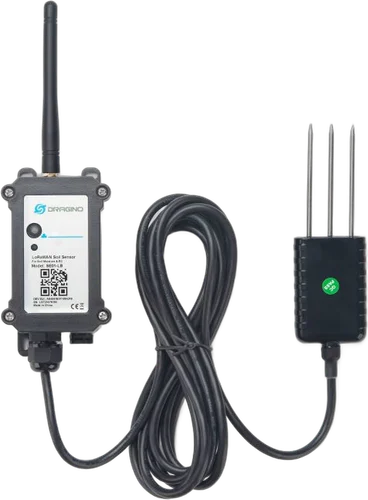
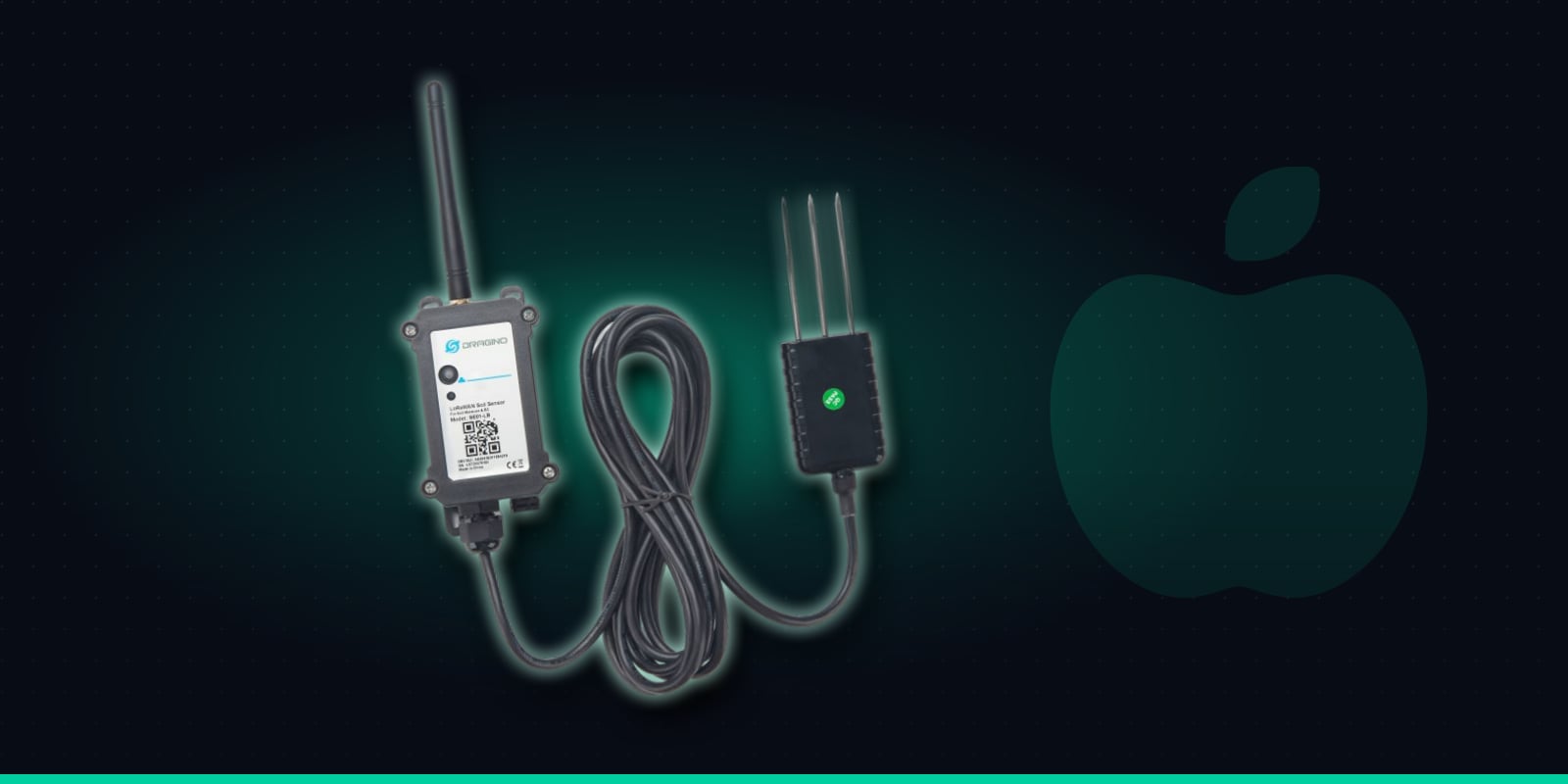
A golf course is a large, open site, usually with no Wi-Fi out on the holes and rarely any power near a green. The SE01-LB is built for exactly that: a battery-powered LoRaWAN sensor with a three-pin stainless probe on a cable that is buried in the root zone, connected to a weatherproof IP66 enclosure holding the battery and radio. Once it is installed, nothing sits on the putting surface, and there is no SIM card or Wi-Fi to manage for each sensor.
From that one probe you get three readings - volumetric soil moisture, soil temperature and electrical conductivity (EC) - every 20 minutes by default (the interval is configurable), and the 8500mAh battery is rated for up to 5 years depending on how often it reports.
Soil moisture
0 to 100% volumetric water content. ±3% accuracy up to 53%, ±5% above.
Soil temperature
-40 to 85°C. Better than ±0.3°C between -10 and 50°C.
Soil conductivity (EC)
0 to 20,000 µS/cm, temperature compensated, 2% full-scale accuracy.
Built for outdoors
Weatherproof IP66 enclosure with a buried three-pin probe on a cable.
8500mAh battery
Rated for up to 5 years, depending on reporting interval.
Datalog
Stores readings when out of coverage and sends them once it reconnects.
Specifications from Dragino's SE01-LB documentation. Factory calibrated for mineral soils.
What Each Reading Tells a Greenkeeper
Moisture: catch drying early
Volumetric water content shows each green drying down after irrigation or rain. When a representative green drops faster than usual, you know where to send someone with a hose before the turf shows stress. A single probe won't map every dry patch, but it tells you which greens to check first.
Conductivity: watch for salt build-up
EC reflects dissolved salts in the root zone, from irrigation water and fertiliser. A steady upward trend suggests salts are accumulating and a flush may be due. The probe reads bulk soil EC, which also rises and falls with moisture, so compare readings taken at similar moisture levels: a lower EC once a green has drained back to its usual moisture is a better sign that a flush has worked than a reading taken straight after watering.
Soil temperature: growth & timing
Grass growth is closely tied to soil temperature, so the trend helps you judge when growth is slowing in autumn or picking up in spring - useful for timing renovation, overseeding and feeding. Prolonged warm, wet spells are also worth noting alongside your other observations when you are weighing up disease pressure.
Setting It Up: From Box to Course
You don't need a probe in every green. Start with a handful of representative locations - the green that always dries out first (often elevated, sloping or fully exposed), a shaded green that stays wet, a tee and a fairway landing area - and add more once the data shows where conditions differ most. Each SE01-LB measures one depth at one point, so treat each sensor as the reference for similar areas of the course.
1
Check coverage from the clubhouse
A gateway mounted high on the clubhouse or maintenance facility can often reach much of a course, but hills, tree lines and buildings all affect range. Our LoRaWAN coverage guide explains what to check before you deploy.
2
Order "Trackpac Ready" sensors and name them by hole
Buy one SE01-LB per monitoring point from Hexaspot and pick the Trackpac Ready option. Each arrives pre-registered, so you just scan its QR code with the Trackpac app and give it a name that reads well in an alert - "7th green - back tier", "12th tee", "3rd fairway landing zone".
3
Bury the probe in the root zone
Pick a representative spot free of stones, and check the probe cable will reach a sensible place for the enclosure before you dig. Lift a small section of turf, dig down and push the probe horizontally into the undisturbed side wall of the hole at the depth where most of the active roots sit, then backfill, firm and replace the turf. Push it in once and don't wiggle it. Run the cable through a narrow slit to the enclosure, sited out of play and away from mowing lines - or in an in-ground box, in which case check its signal afterwards, as range is shorter below ground. Mark each position so it is avoided during hollow-tining and other aeration work, and when changing hole positions.
Alert Rules for the Greenkeeping Team
Alerts only help if the team trusts them, so avoid rules that fire every time a green dries a little in the afternoon sun. Trackpac's alert rules give you the controls to do that:
Thresholds from your own greens
Dragino calibrates the SE01-LB for mineral soils, and sand-based rootzones don't behave exactly like loam, so run it alongside your hand-held meter for a couple of weeks. Then set a below-threshold moisture alert where you would normally reach for the hose, or a range rule for too wet as well as too dry.
Rules by tag, not by sensor
Tag sensors as "Greens", "Tees" or "Fairways" - they usually need different numbers - and build one rule per tag rather than one per device. Tag a new sensor on another green and it picks up the right thresholds and recipients straight away.
Straight to the greenkeeper's phone
Send alerts by push notification through the Trackpac mobile app, SMS or email. Time windows let you send early-morning alerts to whoever is opening up, and out-of-hours rules mean nobody is woken for a slowly drying fairway.
One alert, then quiet
A trigger-lock interval stops a green that stays dry from sending a message on every reading. A "resolved" message confirms when moisture is back in range after hand-watering or rain.
For greens irrigated from borehole or recycled water, add an above-threshold rule on soil conductivity, set with some headroom above the levels you normally see, so EC creeping upwards prompts a look at whether a flush is due. Add a battery rule too, so a sensor running low is replaced before it goes quiet.
Beyond Alerts: Water Use, Records & Sharing
Water by measured need
Much of the saving comes from watering by need rather than habit. When the dashboard shows only three greens drying, hand-water those three instead of running the whole system - using less water and avoiding soft, overwatered surfaces elsewhere.
A record of water use
Reports and exports turn the readings into a dated soil moisture history for sustainability reporting, or for any conversation about how the course uses water.
One picture for the whole team
A dashboard with history graphs for each tagged area gives the greenkeeper a quick read before the first cut, and a read-only share link shows the course manager or committee the same view.
Feed your irrigation workflow
Trackpac doesn't drive irrigation valves or controllers directly, but webhooks can forward readings and alerts into the systems you already use to plan irrigation.
Get Started
Monitor your greens with the SE01-LB
One SE01-LB per monitoring point, probe buried in the root zone, reporting moisture, soil temperature and EC into a Trackpac dashboard with alerts to the greenkeeper's phone.
€123.14 ex VAT from Hexaspot, our sister company in the Connect IoT group. VAT is added at checkout based on your country.
Choose the Trackpac Ready option and the sensor arrives pre-registered on Trackpac - scan the QR code and it's live on your dashboard.
Trackpac covers connectivity, dashboard, alerts and data storage from £15 / €18 per sensor per year.
Dragino factory calibrates the SE01-LB for mineral soils and specifies ±3% volumetric water content accuracy up to 53% and ±5% above that. Sand-based rootzones are mineral, but they don't behave exactly like the loamy soils it is calibrated on, so it is sensible to compare readings with your usual hand-held meter for the first few weeks and set alert thresholds from your own data. Used that way, the continuous trend - how quickly each green dries down after irrigation or rain - is what drives decisions.
How many soil sensors does a golf course need?↓
Fewer than you might think. Each SE01-LB measures one depth at one point, so the aim is representative coverage rather than a probe in every green. A sensible starting point is the green that always dries out first, a shaded green that stays wet, a tee and a fairway landing area, adding more once the data shows where conditions differ most. Tagging sensors by hole and by area (greens, tees, fairways) in Trackpac keeps a growing network easy to read.
Will one LoRaWAN gateway cover a whole golf course?↓
Often it covers much of it. LoRaWAN is long range, so a gateway mounted high on the clubhouse or maintenance facility can typically reach a large part of a course, but hills, dense tree lines and buildings all reduce range, so the answer depends on your terrain. Check coverage before you deploy and add a second gateway for holes in a valley or behind woodland if needed. If a sensor briefly loses coverage, the SE01-LB's datalog stores its readings and sends them once it reconnects.
What does soil EC tell a greenkeeper?↓
Electrical conductivity (EC) is an indicator of dissolved salts in the root zone. Salts come from irrigation water - borehole or recycled water can carry more than a mains supply - and from fertiliser, and they can build up during dry spells when little water moves down through the profile. A steady rise in EC on a green suggests salts are accumulating and a flush may be due. The SE01-LB measures EC from 0 to 20,000 µS/cm with temperature compensation. Because bulk soil EC also rises and falls with moisture, compare readings taken at similar moisture levels and watch the trend over weeks rather than any single reading.
Where can I buy the SE01-LB for use with Trackpac?↓
The SE01-LB is sold by Hexaspot, Trackpac's sister company in the Connect IoT group, at €123.14 ex VAT, with VAT added at checkout based on your country. Choose the 'Trackpac Ready' option and the sensor arrives pre-registered on Trackpac, so you only need to scan its QR code to add it. The Trackpac subscription, covering connectivity, dashboard, alerts and data storage, starts from £15 / €18 per sensor per year.